How to Use and Shave With a Shavette in 2026: A Complete 2026 Beginner’s Guide
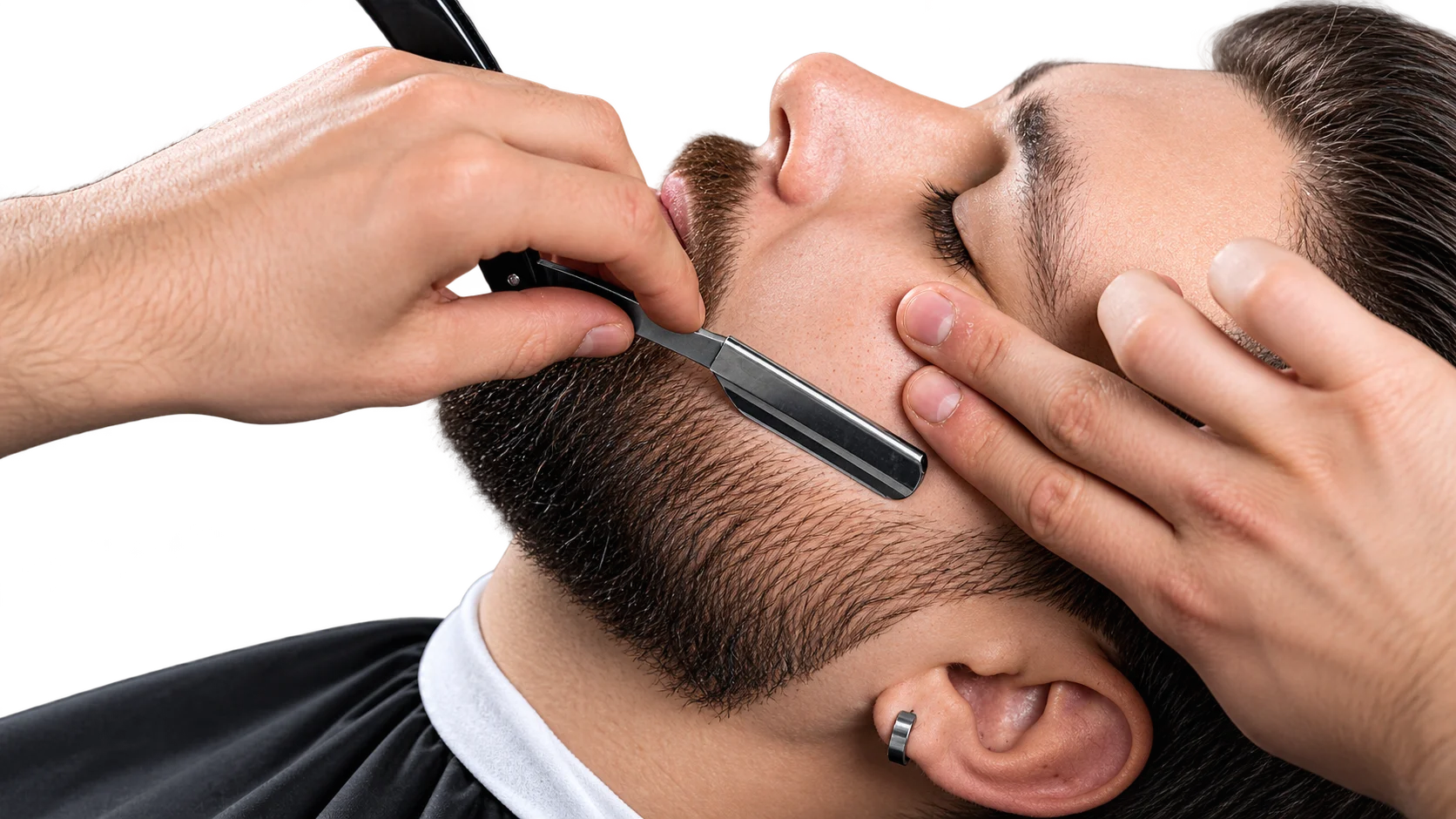


A shavette is one of the most precise shaving tools you can use, but it is also less forgiving than a cartridge or safety razor. It looks similar to a traditional straight razor, but the main difference is that a shavette uses a replaceable blade. This means you do not need to hone or strop a permanent blade. In 2026, shavettes remain popular for close facial shaving, beard edging, moustache shaping and professional barber work because they combine an exposed cutting edge with simple blade replacement.


What Is a Shavette?
A shavette is essentially a straight-razor-style handle that holds a disposable shaving blade. Depending on the model, it may accept a half double-edge blade, a purpose-made single-edge blade or a longer barber blade. Unlike a traditional straight razor, the cutting edge is replaced instead of sharpened and maintained. Recent 2026 shaving guides continue to describe this replaceable-blade design as the main advantage of the shavette.
The important thing to understand is that a shavette is not automatically easier just because the blade is disposable. The blade is highly exposed, so you control the shaving angle, pressure and movement yourself. That makes technique extremely important.
What You Need Before Shaving
For a comfortable first shave, prepare a shavette, a fresh compatible blade, shaving cream or soap, warm water, a clean towel and an aftershave balm or moisturizer. If your beard is long, trim it down first rather than trying to remove a large amount of hair with the shavette in one pass.
A fresh blade is particularly important. If the blade feels rough, catches hairs or requires extra pressure, replace it rather than trying to force it through the beard.
How to Load a Shavette Blade Safely
First, check your razor’s blade system because different shavettes use different holders. Some use a sliding clip, while others use a removable insert or locking mechanism.
If your shavette accepts a standard double-edge blade, keep the blade inside its protective wrapper while bending it lengthwise to split it into two halves. This reduces the chance of accidentally touching the sharp edge. Purpose-made half blades can be inserted directly.
Open the blade holder, position the blade according to the alignment points or notches, and close the holder securely. Before shaving, look carefully at the exposed edge. It should sit evenly from one side to the other. If the blade is crooked, remove it safely and reinstall it. Current shavette instructions emphasize keeping fingers away from the cutting edge during loading and checking that the blade is properly secured before use.


Prepare Your Face
Good preparation makes a major difference. Wash your face with warm water or shave after a shower. The goal is to clean the skin and soften the facial hair.
Apply a generous layer of shaving cream or soap. Do not shave dry skin with a shavette. A properly hydrated beard and a good layer of lubrication allow the blade to move more smoothly and reduce unnecessary friction.
If you are new to shavettes, do not try to achieve the closest possible result immediately. Your first objective should be learning how the blade behaves.
How to Hold a Shavette
There is no single grip that works perfectly for every person or every part of the face. Hold the handle securely but do not squeeze it tightly. Your grip should allow controlled movement of the blade.
Keep your free hand available to gently stretch the skin. Flat, taut skin gives the blade a more predictable surface and helps you avoid accidentally catching folds of skin.
For the angle, start shallow and make small adjustments rather than putting the blade steeply against your face. Many current shaving guides recommend roughly 20–30 degrees as a practical starting range, but the exact angle depends on the shavette and blade design.
Step-by-Step: How to Shave With a Shavette
1. Start With the Grain
Your first pass should normally follow the direction in which your facial hair grows. Begin with an easy area such as the cheek rather than immediately attacking the difficult areas around the mouth and jaw.
Use short strokes. Do not make long, fast movements. Let the blade cut the hair rather than pressing it into the skin.
2. Use Almost No Pressure
This is probably the most important rule for beginners: do not press.
A shavette has an exposed blade, so additional pressure does not make it work better. It simply increases the chance of irritation or a cut. Keep your movements light and controlled.
If the blade does not cut smoothly, stop and check the angle, blade condition, lather and direction of hair growth.
3. Stretch the Skin
Use your free hand to gently pull the skin away from the area being shaved. On the cheeks, you can pull the skin upward or sideways. Around the jaw and neck, changing the position of your head can help create a flatter surface.
Do not stretch the skin aggressively. The objective is simply to create a smooth surface for the blade.
4. Rinse the Blade Frequently
Hair and shaving cream can quickly build up around the blade. Rinse the shavette regularly so you can see the cutting edge and maintain a smooth stroke.
Work slowly around the nose, lips, chin and ears. These areas require more precise movements than the cheeks.


5. Try a Second Pass Only After You Improve
Once you are comfortable with a first pass, you can add an across-the-grain pass for additional closeness. A beginner does not need an against-the-grain pass every time.
Going against the grain can increase closeness, but it also increases the importance of correct technique. If you experience irritation, razor burn or frequent cuts, return to a single with-the-grain pass and improve your technique before adding more passes.
Shavette vs Straight Razor vs Safety Razor
| Feature | Shavette | Straight Razor | Safety Razor |
|---|---|---|---|
| Blade | Replaceable | Permanent | Replaceable |
| Stropping | No | Yes | No |
| Honing | No | Yes | No |
| Blade exposure | High | High | Lower |
| Precision | Excellent | Excellent | Very good |
| Learning curve | High | High | Lower |
| Beard detailing | Excellent | Excellent | Good |
| Maintenance | Low | High | Low |
| Best for | Precision and fresh blades | Traditional shaving | Everyday shaving |
| Main risk | Cuts from poor angle/pressure | Cuts and maintenance errors | Usually more forgiving |
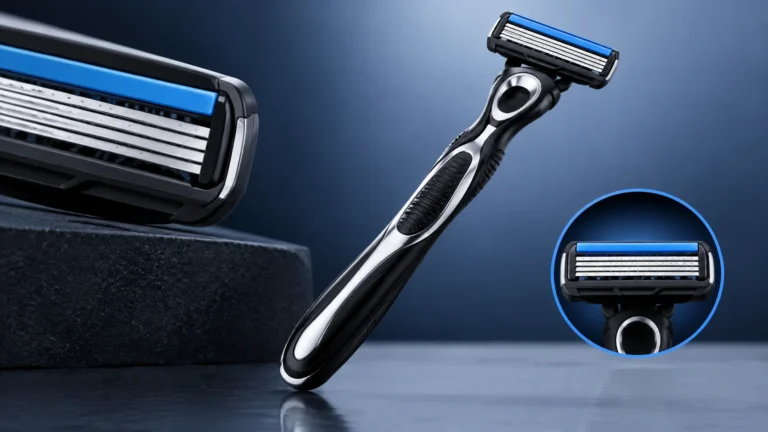
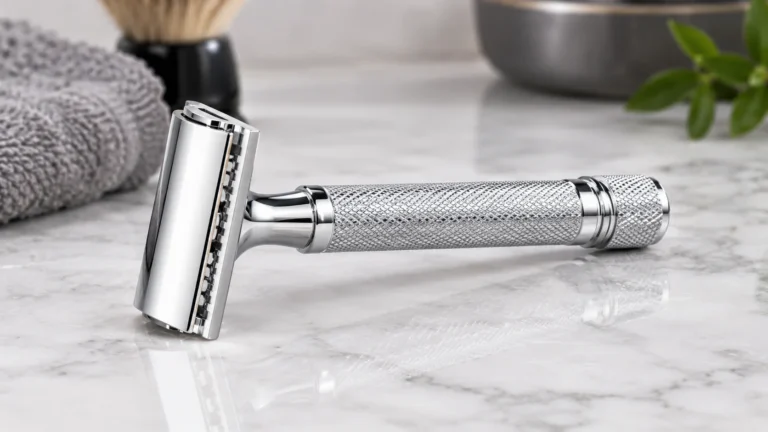
The shavette sits between traditional straight-razor technique and modern disposable-blade convenience. A traditional straight razor requires regular edge maintenance, while a shavette replaces the cutting edge. A safety razor provides more blade protection and is generally more forgiving for beginners.
Pros and Cons of a Shavette
| Pros | Cons |
|---|---|
| Extremely precise | Steep learning curve |
| Fresh blade whenever needed | Blade is highly exposed |
| No stropping or honing | Easy to nick yourself with poor technique |
| Excellent for beard lines | Requires careful blade handling |
| Low maintenance | Can feel aggressive on sensitive skin |
| Good for professional detailing | Not ideal for rushing |
| Lightweight and portable | Disposable blades create waste |
Safety Tips Every Beginner Should Follow
Always use a clean, undamaged razor and a fresh blade. Never shave when you are rushing, distracted or unable to see the shaving area clearly.
Never touch the cutting edge with your fingers. When changing a blade, keep the old blade under control and dispose of it in a proper sharps or blade-disposal container rather than leaving it loose in a bathroom bin.
If you cut yourself, stop shaving and apply gentle pressure with a clean tissue or cloth until the bleeding stops. Do not continue shaving over an open cut.
A shavette should also be cleaned and dried after use. Do not leave soap, hair and moisture sitting inside the blade holder.
How Often Should You Replace the Blade?
There is no universal number of shaves because blade life depends on beard density, blade type, skin, technique and personal preference. The simple rule is to replace the blade when it no longer feels smooth.
A blade that pulls, skips or feels rough should not be “worked harder.” A fresh blade is usually the better solution. The replaceable-blade system is one of the main reasons shavettes remain attractive for both personal grooming and professional barber work in 2026.


Final Verdict
A shavette can deliver an exceptionally close and precise shave, but it rewards patience rather than speed. Start with a fresh blade, prepare the skin properly, use plenty of lubrication, keep the blade angle shallow, make short strokes and use almost no pressure.
For beginners, the best goal is not a perfectly smooth face on the first attempt. The goal is control. Once you learn how the blade responds to your skin and beard growth, the shavette becomes a highly versatile tool for full-face shaving, cheek lines, necklines and detailed beard work.
The latest 2026 guidance continues to highlight the same basic principles: replaceable blades eliminate the stropping and honing required by traditional straight razors, while the exposed blade means users must develop good control of angle, pressure and skin tension.


2026 research note: I used recent 2026 shavette guides and current product/technique references for the article. The available web image results are a mix of recent and established product photography rather than all being newly photographed in 2026, so I haven’t falsely labeled older images as “2026 images.”

Henry Collins
- I research many different shavers, trimmers, and other grooming products.
- Share ideas on which product is best for which skin type or hair type.
- Help you pick the right grooming product and save your time and money.



The Conversation
Your voice matters. Discussions are moderated for civility.