Shavette vs Straight Razor: Which One Is Better for Traditional Shaving?
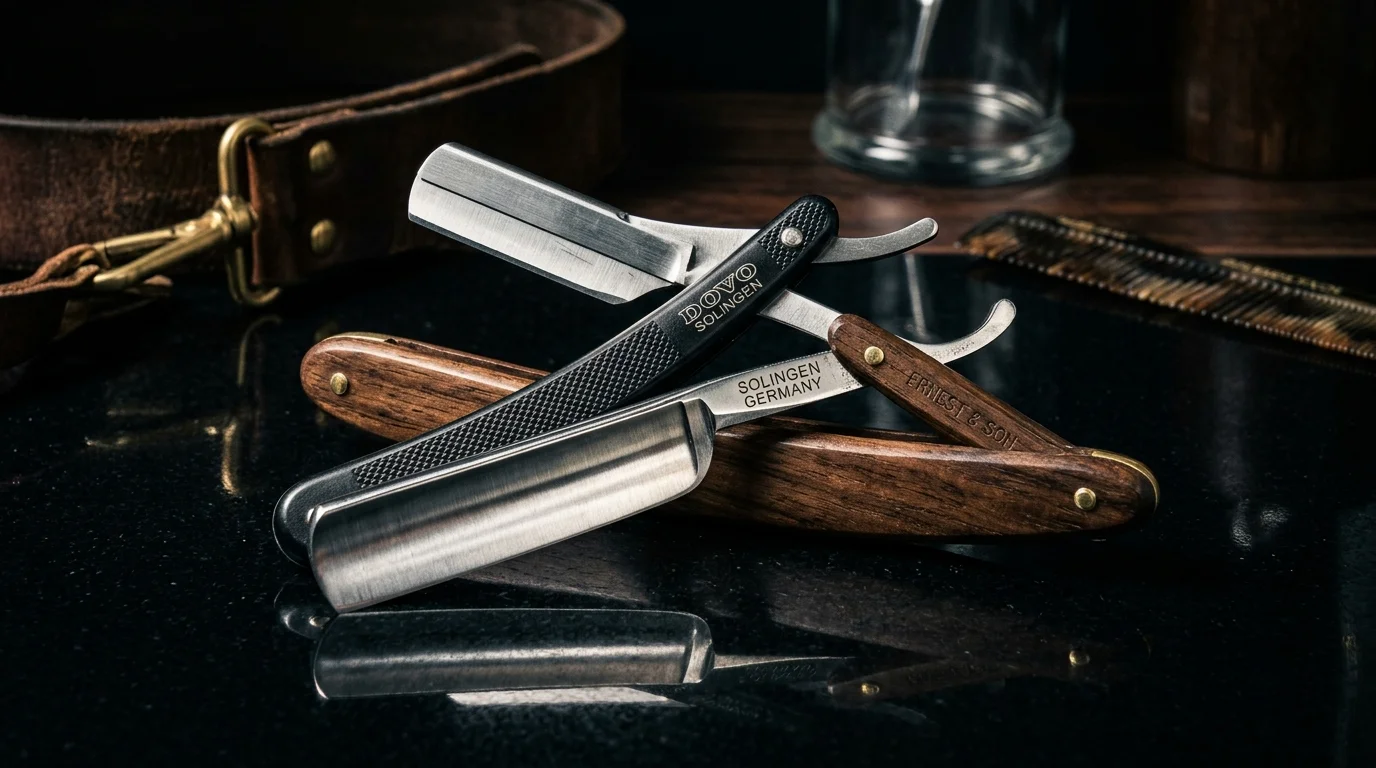


Traditional shaving has become popular again among men who want a closer and more satisfying grooming experience. Two of the most interesting options are the shavette and the straight razor, both of which provide a very different experience from modern cartridge and electric razors. Although they look similar at first glance, their blades, maintenance, shaving technique, and long-term costs are quite different.
Choosing between a shavette and straight razor mainly depends on your shaving experience, maintenance preferences, and how much time you want to spend learning traditional shaving. A shavette uses replaceable blades, while a straight razor has a permanent blade that must be stropped and occasionally honed. Understanding these differences can make it much easier to decide which razor fits your routine.
What Is a Shavette?


A shavette is a traditional-style razor that looks very similar to a straight razor but uses a replaceable blade. Instead of sharpening and maintaining one permanent blade, the user installs a fresh disposable blade whenever necessary. This design has made shavettes particularly popular among barbers because changing blades between customers is quick and hygienic.
Shavettes can provide an extremely close shave when used with the correct technique. However, they usually have a thinner and less forgiving blade setup than many traditional straight razors. Beginners may therefore need some practice to control pressure and shaving angle. Once the technique is learned, a shavette can be an effective tool for both facial shaving and detailed beard work.
What Is a Straight Razor?


A straight razor is the classic traditional razor that has been used for generations. It features a permanent blade that folds into the handle when it is not being used. Unlike a shavette, the blade is not normally thrown away after every shave. Instead, the owner maintains the edge through regular stropping and occasional honing.
Using a straight razor can become a long-term shaving hobby as well as a grooming method. A well-maintained blade can last for many years, which makes the razor itself a durable investment. The trade-off is that straight razors require more care and knowledge than disposable-blade shavettes. Users need to learn proper stropping, storage, cleaning, and sharpening techniques.
Shavette vs Straight Razor: Blade Difference
The biggest difference between these two razors is the blade system. A shavette uses a replaceable blade, which means there is no need to sharpen the blade after it becomes dull. Once the blade no longer provides a good shave, it can simply be replaced with a new one.


A straight razor uses a permanent blade that requires regular maintenance to remain sharp. Stropping helps align and maintain the edge between shaves, while honing is needed when the edge becomes too dull. This makes the straight razor more demanding, but many traditional shaving enthusiasts enjoy the process because it gives them complete control over their razor.
Shaving Closeness
Both razors can deliver an exceptionally close shave when used correctly. The final result depends heavily on blade sharpness, preparation, shaving angle, skin condition, and technique. A skilled user can achieve excellent results with either option, so it is difficult to say that one razor is automatically closer than the other.
A straight razor can provide a smooth and controlled shaving experience because the user works with a carefully maintained permanent edge. A shavette, on the other hand, gives you a fresh blade whenever you replace it. For beginners, getting consistent results may take some time because both razors require careful control and very light pressure.
Which Is Easier for Beginners?


Neither razor is as beginner-friendly as a cartridge razor or electric shaver, but a shavette can be attractive because it eliminates the need for sharpening. You can focus on learning shaving angle, pressure, and hand movement without immediately having to understand honing and advanced blade maintenance.
However, the exposed blade of a shavette can feel aggressive, especially with certain blade types. A straight razor can also be intimidating at first, but its heavier blade and different geometry may feel more controlled to some users. The best approach is to start slowly, use short strokes, avoid pressure, and practice on easier areas before attempting difficult sections such as the neck.
Maintenance Comparison
Maintenance is where the two razors are dramatically different. A shavette requires relatively little maintenance because the blade is replaced rather than sharpened. After shaving, the razor should still be cleaned and dried properly, and the blade should be disposed of safely when it is no longer suitable.


A straight razor requires much more attention. Regular stropping is part of the normal routine, and the blade eventually needs honing to restore its sharpness. Proper storage is also important because moisture can damage the blade over time. For someone who enjoys traditional grooming rituals, this maintenance can be part of the appeal rather than a disadvantage.
Cost Over Time
The initial cost of a shavette is often relatively affordable, but the ongoing expense comes from buying replacement blades. Depending on how frequently you shave and how often you change blades, these costs can gradually add up. However, replacement blades are generally simple to obtain and do not require sharpening equipment.
A straight razor can have a higher initial investment, especially if you purchase a quality razor and the necessary maintenance accessories. Once you have the equipment, however, there is no need to continuously purchase complete razor blades. Over several years, a well-maintained straight razor can potentially be economical compared with systems that require frequent replacement blades.
Shavette vs Straight Razor Comparison
| Feature | Shavette | Straight Razor |
|---|---|---|
| Blade Type | Replaceable | Permanent |
| Sharpening | Not required | Required |
| Stropping | Usually not required | Required |
| Maintenance | Low | High |
| Blade Replacement | Frequent | Rare |
| Beginner Learning Curve | Moderate | Moderate to High |
| Long-Term Durability | Good | Excellent |
| Hygiene | Very convenient | Requires careful cleaning |
| Traditional Experience | High | Very high |
| Best For | Convenience and barber-style shaving | Traditional shaving enthusiasts |
Shavette Pros and Cons
| Pros | Cons |
|---|---|
| Uses fresh replaceable blades | Blade can feel aggressive |
| No honing required | Ongoing blade cost |
| Easy to clean | Requires careful technique |
| Popular for barber work | Beginners may experience nicks |
| Convenient for detailed shaving | Blade choice affects performance |
Straight Razor Pros and Cons
| Pros | Cons |
|---|---|
| Extremely durable | Requires regular maintenance |
| No frequent blade purchases | Needs stropping |
| Excellent traditional experience | Honing can be complicated |
| Can provide a very close shave | Higher learning curve |
| Long-term investment | Requires proper storage |
Which One Should You Choose?


Choose a shavette if you want the traditional straight-razor style without dealing with sharpening and honing. It is particularly suitable for people who appreciate replaceable blades and want a simple maintenance routine. Barbers and people who frequently perform detailed beard shaping may also prefer the convenience of a fresh blade.
Choose a straight razor if you enjoy traditional craftsmanship and do not mind spending additional time maintaining your equipment. It can become a long-term shaving tool that provides a unique experience every time you use it. For enthusiasts who enjoy learning about stropping, honing, blade care, and traditional wet shaving, the straight razor is difficult to beat.
Final Verdict
The shavette vs straight razor debate ultimately comes down to convenience versus traditional craftsmanship. A shavette gives you replaceable blades, easy maintenance, and a fresh cutting edge without sharpening, while a straight razor offers a timeless shaving experience with a permanent blade that can last for many years. Both can deliver an excellent close shave when used correctly.
For someone who wants less maintenance and a practical introduction to open-blade shaving, the shavette is usually the more convenient choice. For someone who enjoys the complete traditional shaving ritual and is willing to learn blade maintenance, a straight razor can be the more rewarding option. The right choice depends on your shaving habits, patience, budget, and interest in traditional grooming.

Henry Collins
- I research many different shavers, trimmers, and other grooming products.
- Share ideas on which product is best for which skin type or hair type.
- Help you pick the right grooming product and save your time and money.

The Conversation
Your voice matters. Discussions are moderated for civility.